

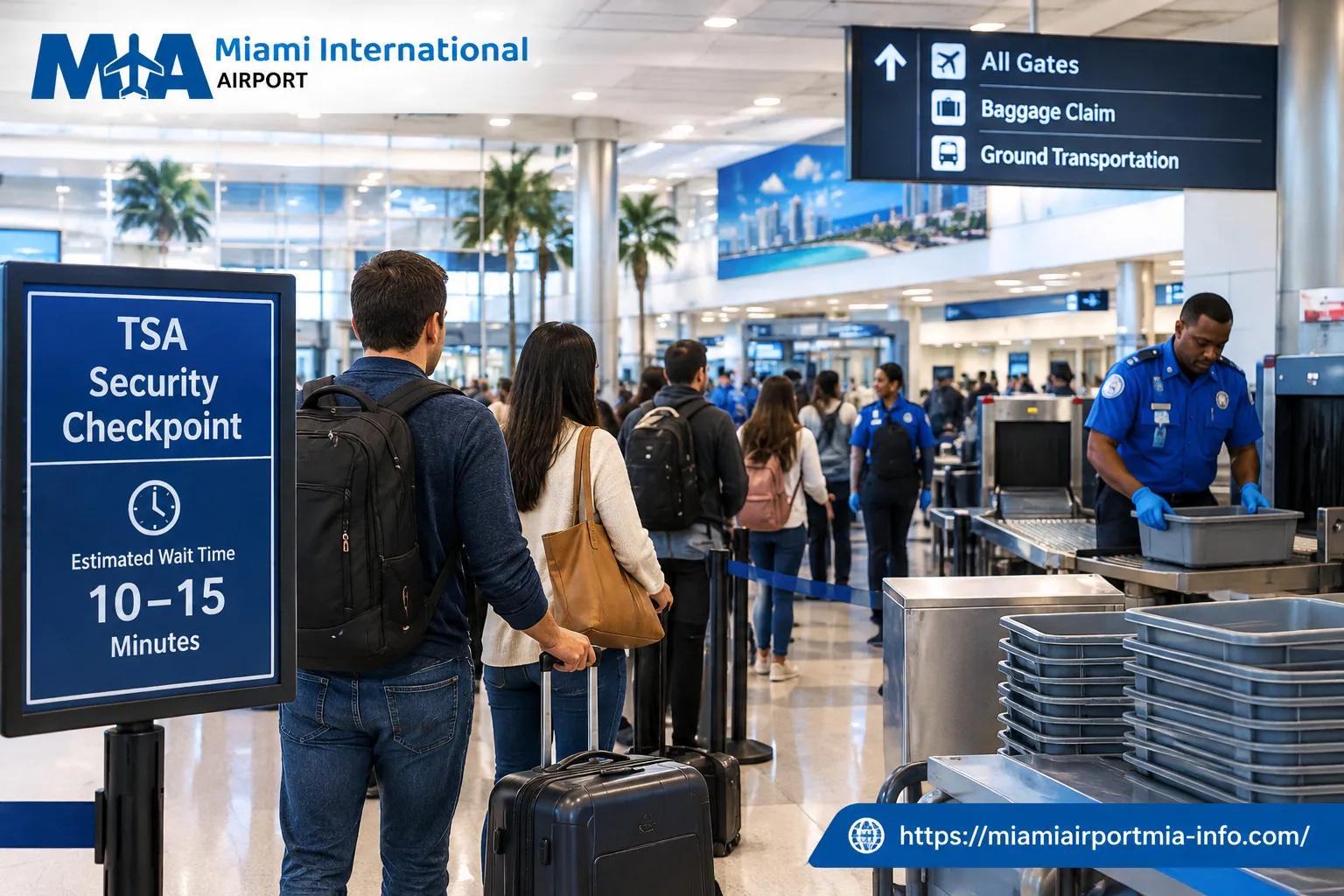
Airport mornings rarely go exactly as planned. A traveler may leave home with plenty of time, only to encounter traffic, a busy check-in counter, or an unexpectedly long security line. At Miami International Airport, checking the MIA TSA precheck wait time before heading out can provide useful context for planning the airport portion of a trip without relying on assumptions.
Why Security Planning Matters
Security screening is an important part of every airport departure, but the experience can vary from one trip to another. Passenger volume, flight schedules, staffing, holidays, and checkpoint operations can all affect how quickly security lines move. A checkpoint that appears quiet during one visit may be much busier on another day, so travelers should allow enough time for unexpected delays.
Travelers should also consider everything that happens before and after TSA screening. Passengers with checked luggage may need to visit an airline counter or bag-drop area before heading to security, while those traveling with carry-on bags can generally proceed toward security after completing the required airline check-in steps. Arriving early provides additional time for check-in, baggage procedures, security screening, and walking to the departure gate.
Knowing miami airport checkpoint hours can also help travelers plan an early-morning or late-night departure. Checkpoint operations may vary across different areas of the airport, so passengers should confirm the schedule relevant to their terminal and departure rather than assume every checkpoint follows the same hours. Checking current airport and airline information before traveling can help make the departure process smoother and more predictable.
PreCheck and Standard Screening
TSA PreCheck offers eligible travelers a dedicated screening option and a modified security process. For frequent flyers, this can make airport security more convenient. However, PreCheck should still be treated as part of the overall airport schedule rather than a guarantee of immediate screening.
The standard TSA line is available to travelers who do not use PreCheck. Its speed can change considerably depending on passenger demand and checkpoint activity. During a quieter period, the regular line may move steadily; during a busy departure window, more patience may be necessary.
Another useful habit is checking miami airport TSA wait times today when preparing for a same-day flight. Current information is more helpful than using a wait-time estimate from an earlier trip because airport conditions can change throughout the day.
Choosing a Better Time to Arrive
There is no single arrival time that works perfectly for every traveler. Someone flying with checked luggage may need more time than a passenger traveling with a small carry-on. Families can also require additional time for organizing bags, documents, and children before entering the screening area. Travelers who are unfamiliar with the airport may also benefit from arriving earlier so they have time to locate the correct terminal, airline counter, and security checkpoint.
Departure time is another factor worth considering. A flight leaving during a busy travel period may require more careful planning than one scheduled when passenger demand is lighter. Holidays, school breaks, and major travel weekends can also affect airport activity and increase waiting times.
Rather than concentrating only on the TSA queue, it helps to think about the entire journey. Travel time to the airport, parking or drop-off, airline check-in, baggage procedures, security, walking distance, and boarding all form part of the departure schedule. Building in a reasonable time buffer can make the airport experience less stressful and provide flexibility if unexpected delays occur.
5 Simple Ways to Prepare for Security
Check airport information beforehand: Review the latest available security information before leaving for the airport so the journey starts with a realistic understanding of current conditions.
Complete airline check-in early: Online check-in can reduce unnecessary steps at the airport, although checked baggage may still require a bag-drop process.
Organize carry-on items: Keeping travel documents and commonly screened belongings easy to access can make the security process more straightforward.
Confirm the correct terminal: Check the airline, terminal, and departure details before traveling. Reaching the wrong part of a large airport can add unnecessary time.
Build in a reasonable buffer: Security conditions can change unexpectedly. A little flexibility can help prevent a minor delay from affecting the rest of the trip.
Plan Around Current Conditions
Airport security works best when travelers treat it as one part of a larger departure plan. A short line does not eliminate the need to account for baggage, terminal navigation, and boarding, while a longer line does not necessarily mean the entire airport experience will be difficult.
Miamiairportmia-info provides practical airport information for travelers preparing for departures through Miami International Airport. Checking relevant security details before leaving can help passengers make more informed timing decisions and avoid depending solely on assumptions.
Before setting off for the airport, take a moment to check the latest checkpoint conditions and plan the security portion of the journey accordingly.